
 amy771937
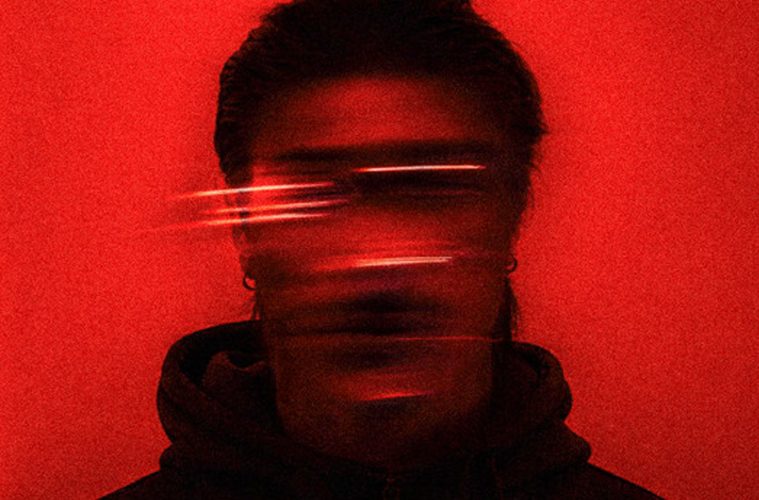
Steven Arias, born in Bogotá, Colombia, is the artist behind Jack Haüzer, a name he has carried since childhood. His passion for electronic music began at an early age, and at 15 he decided to start creating his own sounds.
Exploring the deeper, melodic dimensions of minimal techno, Jack Haüzer’s sound combines hypnotic grooves and travelling melodies to create immersive environments that respond to both the crowd and the moment. His sets are built as crafted narratives – subtle, mental, and rhythmically addictive.
Alongside Jack Haüzer, Arias also operates under his alter ego Minøsss, where he explores a darker side of his artistry through raw, powerful and unfiltered techno designed to ignite the dancefloor.
We caught up with Jack Haüzer to discuss his creative process, the sounds that influence him, his approach to artistic identity, dream collaborations, AI, and the importance of keeping the human element at the heart of music.
How would you describe your musical style and the genres or subcultures that most influence your sound?
Minimalist, hypnotic, trance, and a bit of African and Latin soul sounds.
Describe the primary setting or environment where your music is conceived. Is it a chaotic, overstimulating studio, a minimalist digital space, a rehearsal room, or a more isolated location?
From my computer, I seek out quiet spaces with minimal outside noise, where I can better develop my ideas. Then, I bring them to life through sound design.
When you create, what leads the way – a feeling, a story, or the sound itself?
A feeling. Sometimes melodies come to me unexpectedly, and I never hesitate to capture them. From that moment on, the idea unfolds naturally, taking shape step by step.
What’s in your toolkit? Share the gear, gadgets, or software you can’t create without.
This is my personal sound library. Here I keep my go-to loops, which help me build a solid starting point for each track. I mostly use native plugins, but when I need more advanced sound design and atmospheric textures, I turn to Valhalla plugins. I also can’t work without SPAN; it’s an essential tool that helps me identify and correct frequency imbalances and resonances in each sound.
Are there any unexpected or dream collaborations hidden in your work?
I’d say one of the collaborations I’d love to have one day is with the man who made me believe in the power of electronic music: Boris Brejcha. As for Joel (Hozho), I had the chance to meet him in person, and I’d also love the opportunity to collaborate with him someday.
Are there any side projects you’re working on?
I have several projects in mind, but right now I’m focused on developing two. One of them follows a concept that’s quite different from my usual sound.
Who’s an emerging artist you think deserves more recognition right now?
I have a great deal of admiration for Gus (T.A.M).
What role does ‘rebellion’ or ‘counterculture’ play in your music? Are you aiming to challenge commercial norms, sonic structures, or societal expectations?
I want to be known for my unique musical style. I think I’m doing something different because I create whatever truly inspires me, no matter the genre. Every track I make carries a piece of who I am, and I always strive to express my essence as an artist through my music.
Who is one non-musical artist whose work feels sonically synonymous with your sound?
I admire art in all its forms. I don’t have a single person I look up to. I find inspiration in creativity itself.
What aspects of your artistry feel most important to you, such as your sound, visuals, storytelling, or live performance style?
Every aspect matters, but it all starts with the sound you share with the world. That’s what defines your identity as an artist. Once people connect with your sound, they connect with your music. Everything is interconnected.
What is the most exciting and the most concerning technological development impacting the music industry right now?
I’d say AI-generated compositions. While I think AI can be a useful creative tool, I believe music should always be driven by human emotion. The soul of music comes from genuine feelings and experiences, not from randomly generated ideas.
How would you describe the live music environments you feel most connected to? Are you drawn more to massive festival stages, underground warehouse parties and DIY venues, or a mix of both?
A mix of both, but I prefer more intimate venues, warehouses, and clubs where the dance floor is all about the people, not the cameras or the show itself.
Famous last words?
Fresh music for your senses.
Listen to Jack Haüzer on PLAYY. Music
Follow Jack Haüzer:
YouTube – Spotify – Instagram – SoundCloud